Easy. Local. Trusted.
Charger brands
EV charger brands installed in Melbourne homes
We are an independent guide and quote service — we don't sell chargers and all electrical work is carried out by licensed electricians. Buy your charger from any brand, then compare the specifications below and read the guide for each of the 14 home charger brands Melbourne households ask about most.
Basic wallboxes
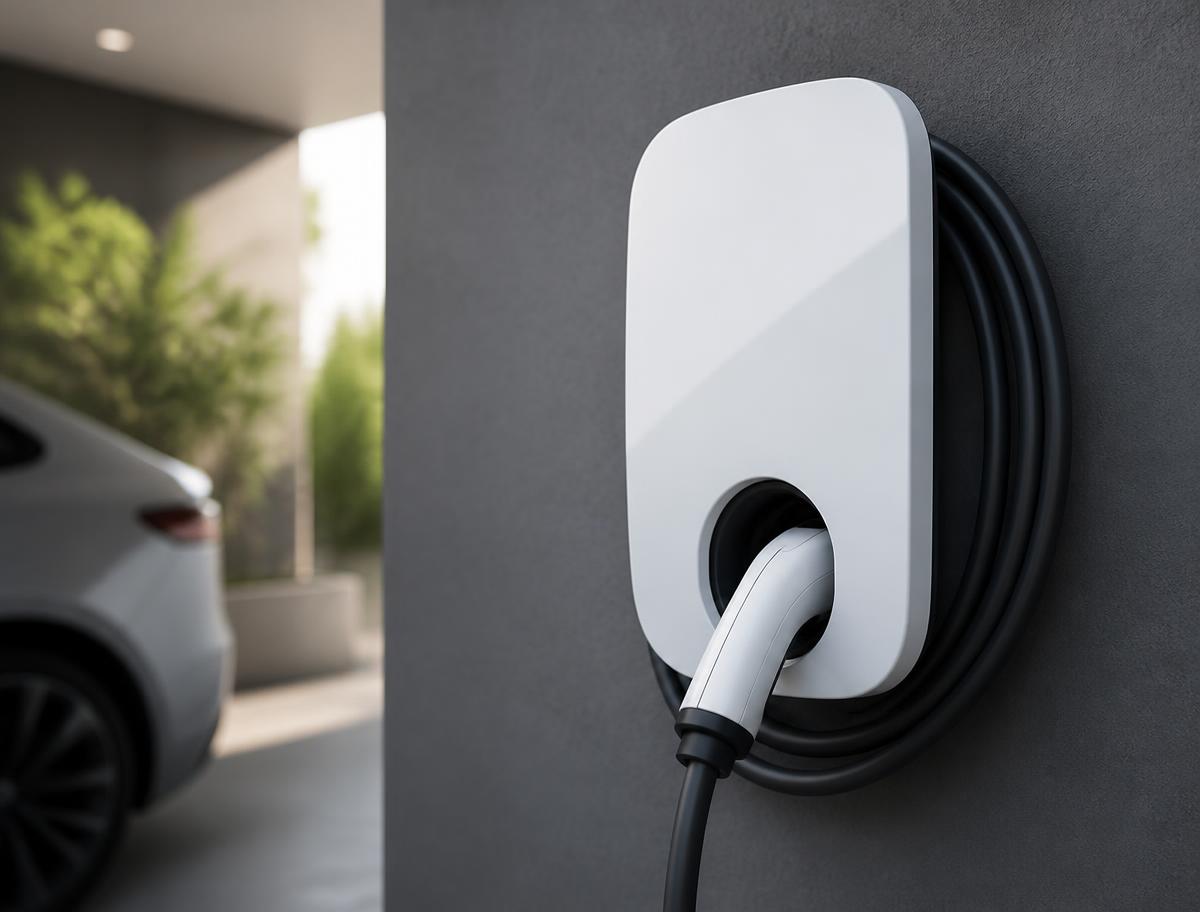
Fixed output, minimal electronics, no app. Reliable and inexpensive. Fine if you simply want to plug in overnight and have no solar or tariff strategy.
Watch for: Usually no scheduling, no load management and no solar diversion.
Smart chargers
App control, scheduling for off-peak tariffs, usage data, over-the-air updates and often load management to protect your main supply.
Watch for: Check whether the app requires a subscription and whether it keeps working offline.
Solar-integrated chargers
Add surplus-tracking so charging follows your solar export, often via a current sensor at the switchboard. Best suited to households with panels and daytime charging.
Watch for: Confirm it genuinely does surplus tracking, not just timed charging.
Vehicle-brand chargers
Manufacturer wallboxes designed around a particular car, usually well-built and simple. They still use the standard Type 2 connector and work with other EVs.
Watch for: Feature sets can be narrower than third-party smart chargers.
Comparison checklist
Eight specifications worth checking
Work through these before you buy — they matter far more than the badge on the front.
Power rating
7kW single phase, or 11kW/22kW three phase — matched to your car and supply.
Tethered or socketed
Attached cable for convenience, or a socket for flexibility and shared use.
Cable length
Measure from the mounting position to your charge port with the car parked normally.
Weather rating
Outdoor installations need an appropriate IP rating and UV-stable housing.
Load management
Lets the charger back off when the house is drawing heavily — sometimes avoids upgrade work.
Solar diversion
Only if you have panels and the car is home during the day.
App and scheduling
Essential if you are on a time-of-use tariff.
Warranty and support
Local support presence matters more than headline warranty length.
Common questions
Charger selection FAQ
Which EV charger is right for my car?
Almost every EV sold in Australia uses a Type 2 AC connector, so compatibility is rarely the issue. The real decisions are power rating (matched to your car's onboard charger and your supply), tethered versus socketed, and which smart features you actually want.
Should I buy the charger myself or through the electrician?
Both are common. Buying it yourself gives you control over the model; buying through the electrician can simplify warranty and support. Either way, say which you prefer when requesting quotes so the pricing is comparable.
Do Tesla owners need a Tesla charger?
No. Teslas sold in Australia charge from any Type 2 AC charger. A Tesla Wall Connector is one option among many.
What warranty should I expect?
Hardware warranties are set by the manufacturer and commonly run for a few years; workmanship is warranted by the installing electrician. Ask for both in writing before proceeding.
We are an information and quote request service — we do not carry out electrical work. All installations are performed by licensed electricians.
Brand guides
Installation guides by charger brand
Fourteen of the home chargers Melbourne households ask about most. Each guide covers supply requirements, solar and load-management considerations and what changes the installation price.
Want a shortlist rather than the full list? Compare six popular chargers side by side on features, supply and installation considerations.
Tesla Wall Connector
Tesla's own tethered wallbox, commonly configured around 7kW on single phase. Mounting position matters because the lead is fixed.
Installation guideBYD home charging
Home charging for Atto 3, Dolphin, Seal and Sealion owners, including what the car's onboard charger can actually accept.
Installation guidemyenergi Zappi
Best known for solar-surplus charging modes, which usually rely on a current sensor or energy monitor at the switchboard.
Installation guideFoxESS EV chargers
Wallboxes across the FoxESS range, frequently paired with FoxESS solar and battery hardware.
Installation guideFronius Wattpilot
Often chosen by homes already running Fronius solar, with solar-aware charging via the Fronius ecosystem.
Installation guideSungrow EV charger
Commonly installed alongside Sungrow inverters and batteries where a single-vendor energy system is wanted.
Installation guideSigenergy EV charger
Part of an integrated inverter, battery and charging system, so installation is usually planned as a whole.
Installation guideWallbox Pulsar range
Compact European wallboxes popular where space at the parking spot is tight and app control is wanted.
Installation guideOcular EV chargers
An Australian-supplied range with local support, offered in both tethered and socketed configurations.
Installation guideGoodWe EV charger
Charging designed to sit inside a GoodWe solar and battery system rather than run as a standalone product.
Installation guideEvnex chargers
Australasian-designed smart chargers with strong scheduling, monitoring and load-management features.
Installation guideSolarEdge EV charging
Charging tied into SolarEdge inverters and monitoring, aimed at households already on that platform.
Installation guideSolaX EV charger
Wallboxes that pair with SolaX inverters and batteries, with solar-aware modes depending on configuration.
Installation guideSchneider Electric charging
Charging from a long-established switchgear manufacturer, often specified alongside switchboard work.
Installation guideSuitability always depends on the specific model, your property's electrical supply, your vehicle's onboard charging capability, any solar or load-management requirements, and the assessment of the attending licensed electrician. We are independent and are not affiliated with, endorsed by or an authorised installer for any manufacturer listed here.
Keep reading
More Melbourne EV charging guides
Independent, jargon-free information to help you work out what your home actually needs.
How much does EV charger installation cost?
What actually drives the price of a home EV charger installation in Melbourne, and which parts of the job vary the most.
Read guide7kW vs 11kW vs 22kW
Charging speeds compared in plain language, including why your car's onboard charger often sets the real limit.
Read guideDo I need single or three phase?
How to tell what supply your Melbourne home has, and what changes if you want a higher output charger.
Read guideCan I charge from solar?
Solar diversion, battery integration and what to look for in a charger if you already have panels on the roof.
Read guideDo I need a switchboard upgrade?
Why some homes need switchboard work before a charger can be installed, and how to spot the warning signs.
Read guidePower your drive
Easy. Local. Trusted.
Charging at home means skipping expensive public fast chargers, waking up to a full battery and knowing the work was completed safely to Australian electrical standards by a licensed electrician.
COMPARE QUOTES & SAVEReady to get EV charger quotes?
Tell us about your property, your EV and your electrical setup. Your enquiry is shared with up to three trusted, qualified and licensed electricians in your area, who contact you directly with a quote. Free, and no obligation.